Quickstart (Airtable integration) - Creating a PDF from Airtable data
Here's how to create PDF documents from your Airtable data with DocuPotion:
- Create a reusable template
- Connect your Airtable account
- Map your data
- Choose a generation method
- Bonus tip: debugging errors with Automations
Create a reusable template
Navigate to the Templates section of your DocuPotion dashboard and click on the New Template button. You'll have 3 options for creating a new template:
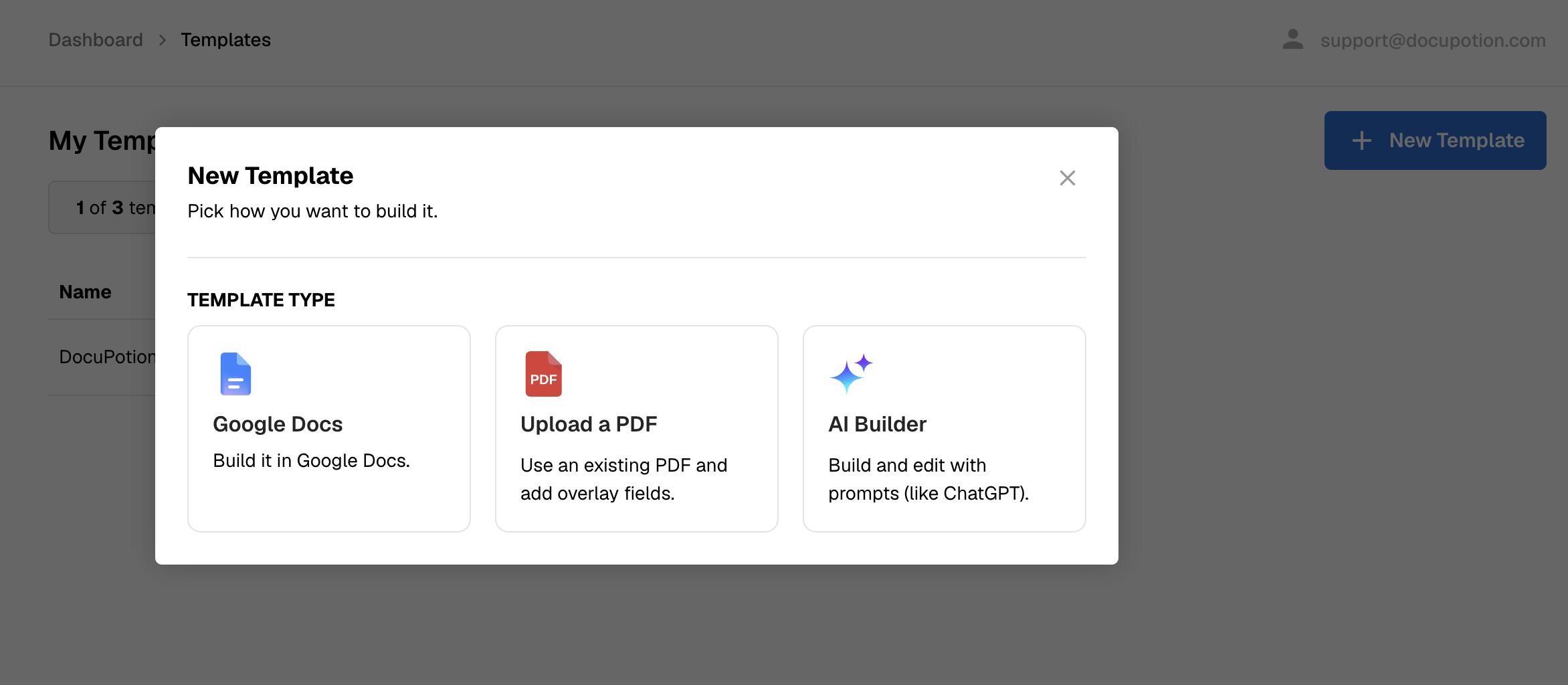
Google Docs: Connect to your Google Drive and pick an existing Doc template or start from scratch. See this doc for full instructions.
Upload a PDF: Choose this option if you have an existing PDF and you want to add overlay fields that you can merge your data to. Fillable PDFs with form fields also accepted. See this doc for full instructions.
AI Builder: Create a template based on a prompt or choose one of our HTML library templates. You can also attach existing PDF or HTML files for reference. See this doc for full instructions.
Connect your Airtable account
Once you're happy with your template click on the Generate tab, then the Airtable Integration card.
- Click Connect Airtable Account
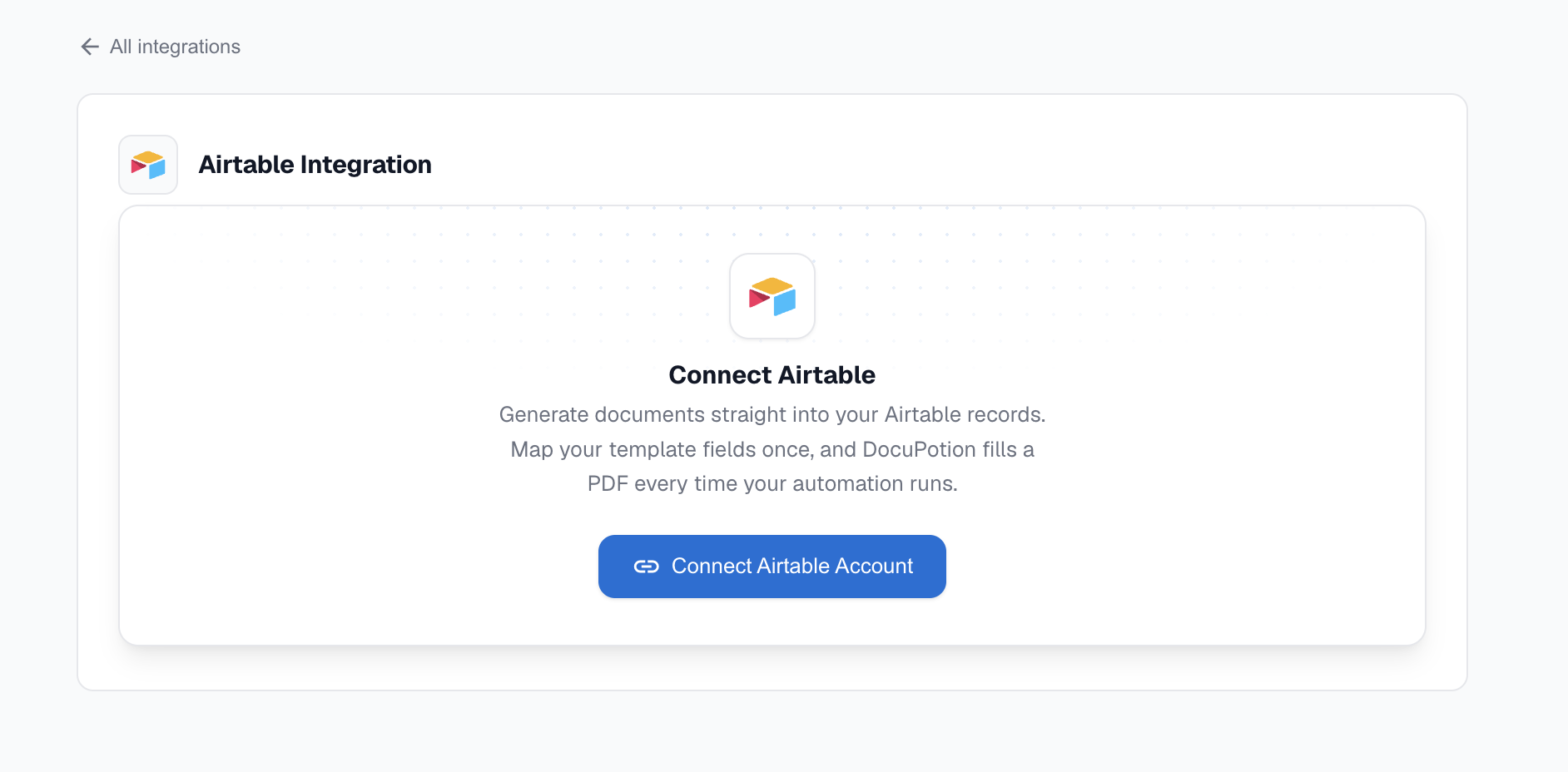
- You'll be taken to Airtable to authorise DocuPotion. Choose the bases you want to grant access to and confirm.
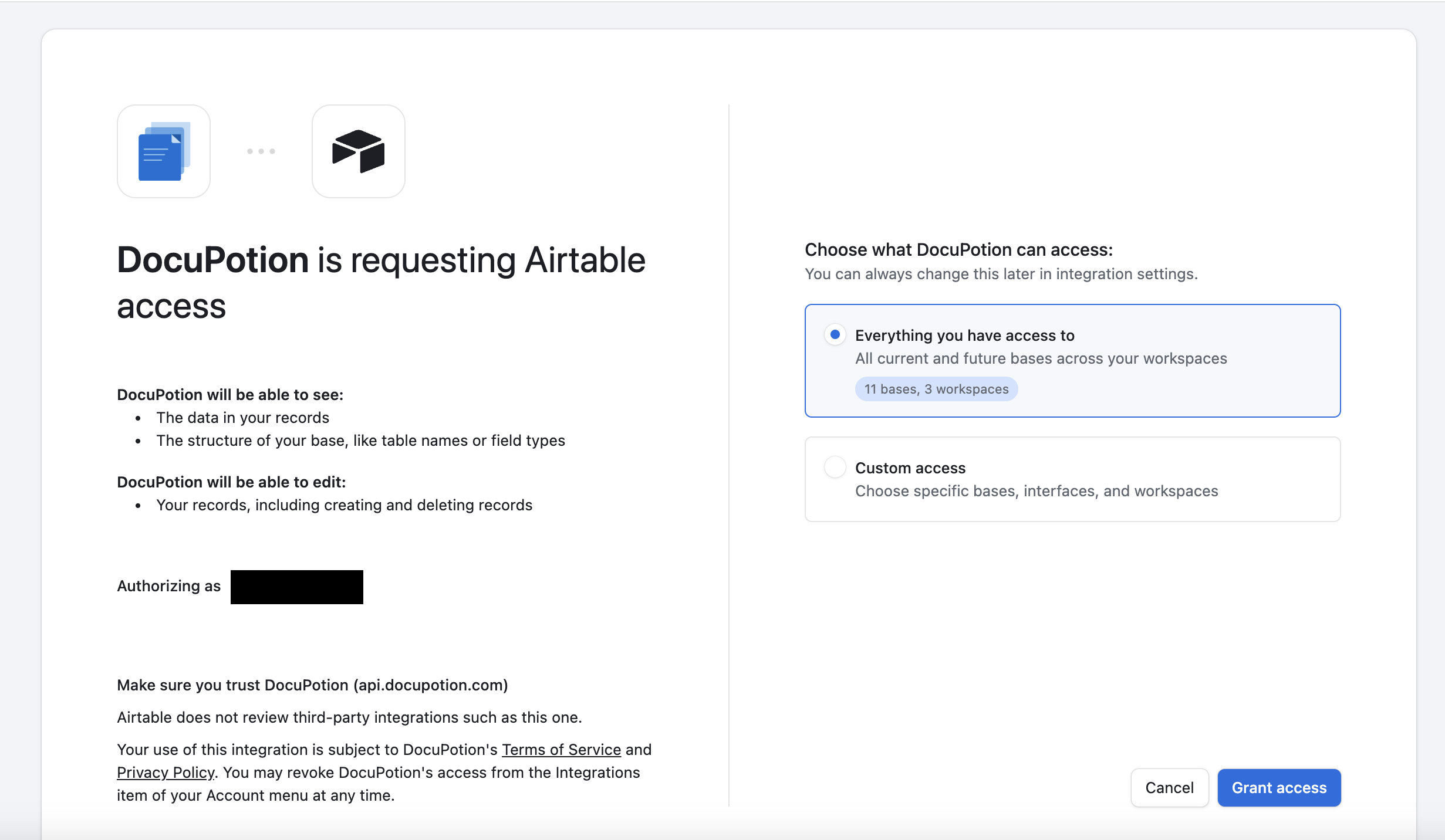
If you choose Custom access, you will need to ensure you provide access to the base you want to generate your PDFs from.
- You'll be retuned to the DocuPotion template editor and a green Connected badge should be visible

You only connect once
The connection is saved to your DocuPotion account. Every template you build can use the same Airtable connection — you won't be asked to authorise again.
Map your data
The panel walks you through two steps. Step 1, Map Fields, is where you tell DocuPotion where the data lives and how it maps to your template.
Destination section
Choose where your generated documents come from and go:
- Base - the Airtable base that holds your records.
- Primary Table - the table each document is generated from (one document per record).
- Document Name Field - used to name the generated PDF file.
- PDF Output Field - the attachment field where the finished PDF is saved.
- Overwrite existing PDF - Yes replaces the previous PDF on the record each run; No keeps adding new ones.

Field mapping
Under Template Fields, you'll see a row for every {{merge_field}} in your template. For each one, pick the matching Airtable field from the searchable dropdown.
- Search as you type - bases with lots of fields are easy to filter; just start typing a field name.
- Linked records (Expand →) - if a field links to another table, choose Expand → to drill into that linked table and pick a sub-field. The mapping then reads like
Company › Name. - Line Items - if your template has a repeating section (e.g.
{{#line_items}}for invoice rows), map it to a linked table in Airtable, then map each sub-field (description, quantity, price…) to the linked table's columns.

The X/Y mapped counter tracks your progress. When you're done, click the Save mapping button - DocuPotion advances you to Step 2, where you'll see your Airtable Automation script.
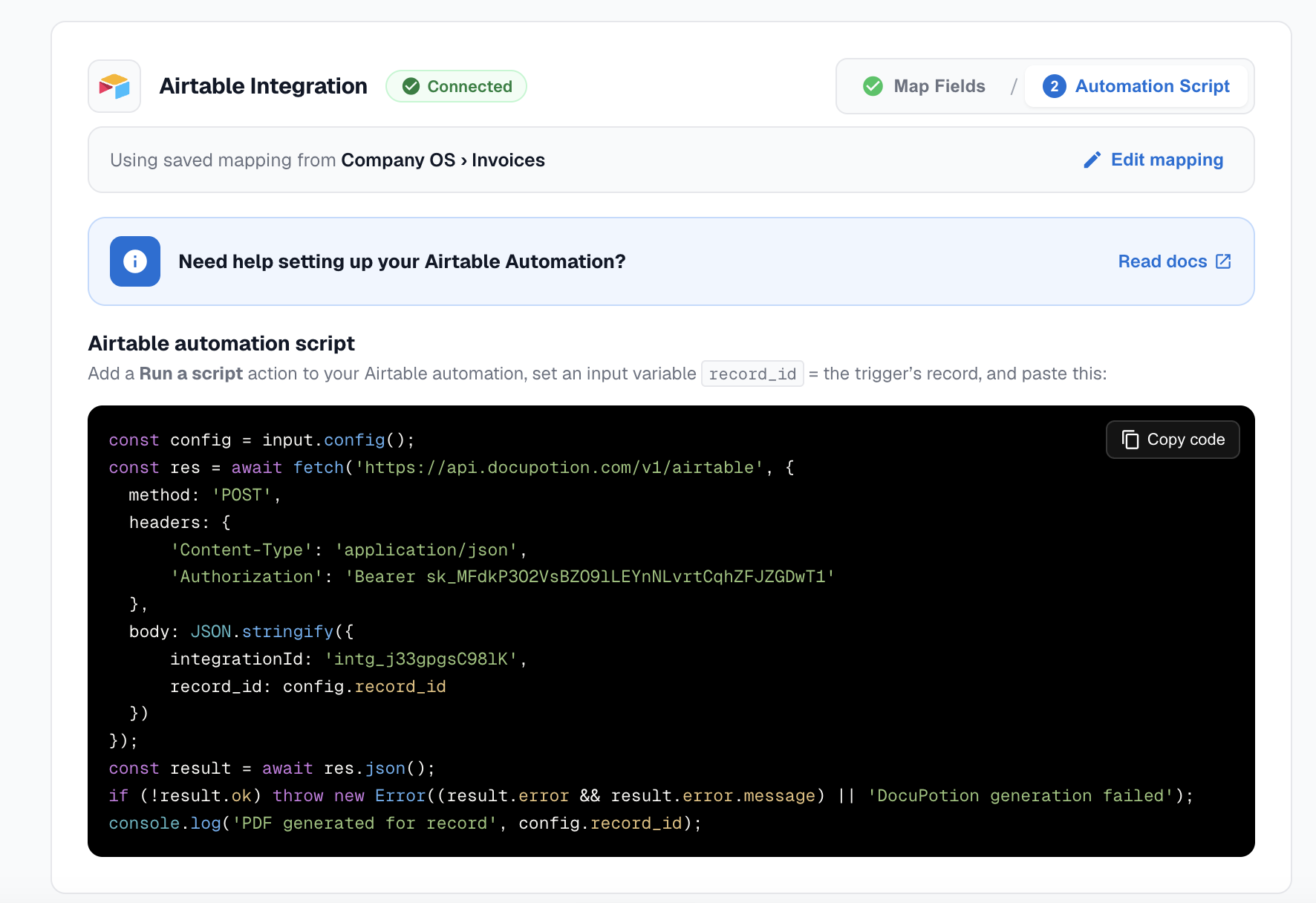
You'll use this script in your Airtable Automation (see next step).
Choose a generation method
Once you've mapped your data, you need to choose a method for triggering your generation.
- Airtable Automation - Automatically generate PDFs on a trigger or schedule. You must have a paid Airtable plan to use Automations
- Generation Link - Trigger PDF generation on a button click.
Airtable Automation
Once you've mapped your data, you'll be presented with two choices for triggering your PDF generation:
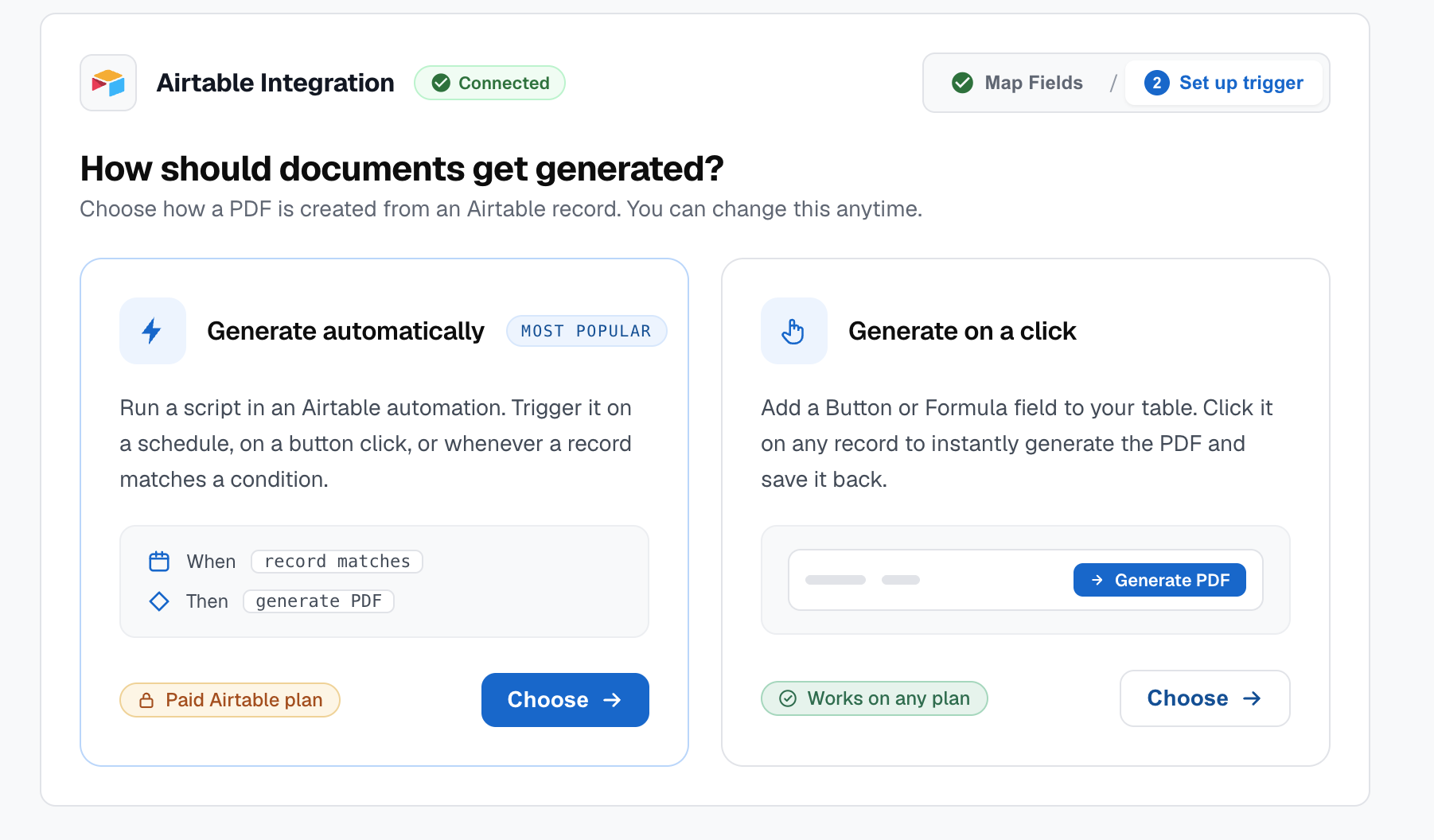
Choose the Generate automatically option. You'll see a code snippet that you can copy. This will be used in the next step.
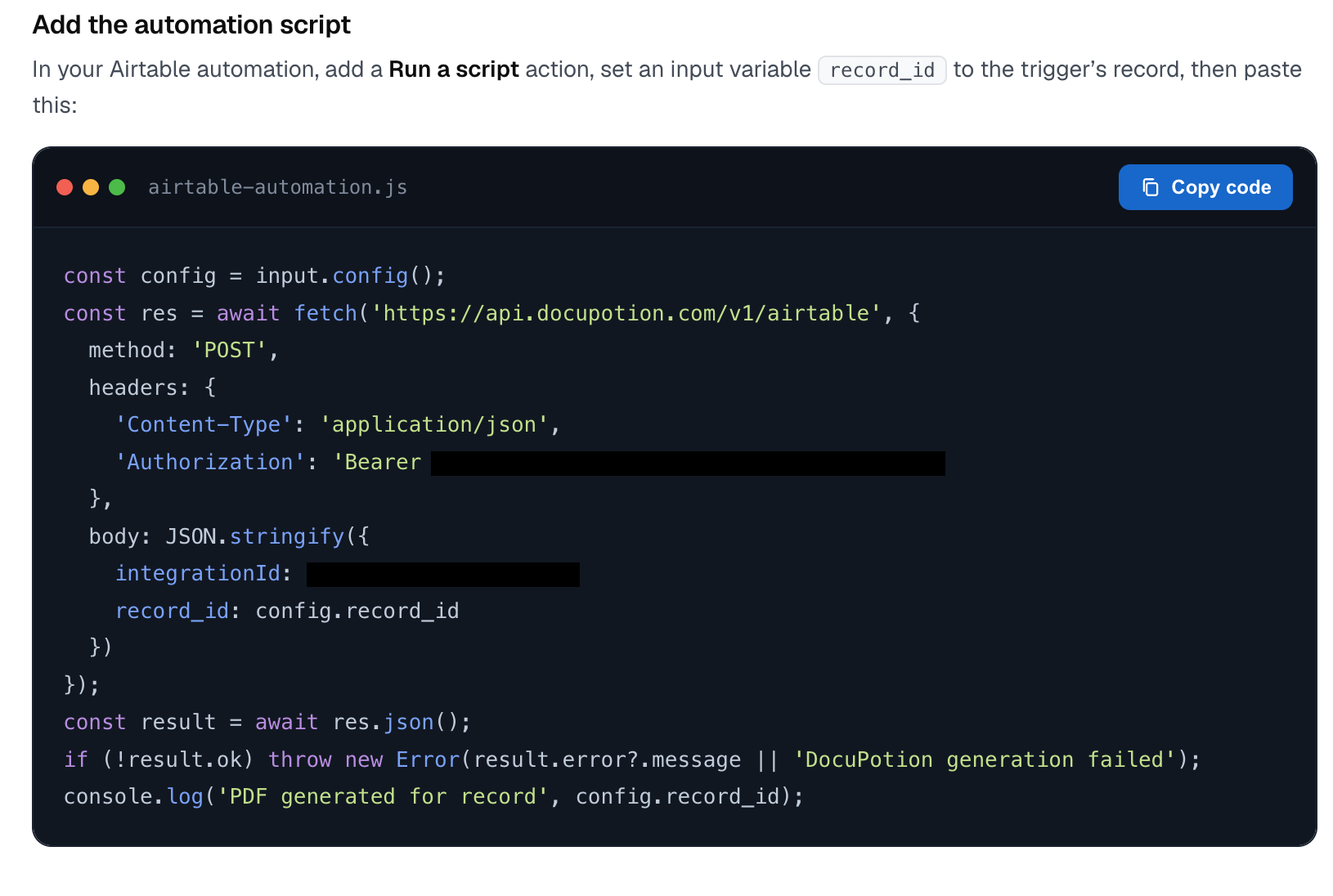
Add the automation script in Airtable
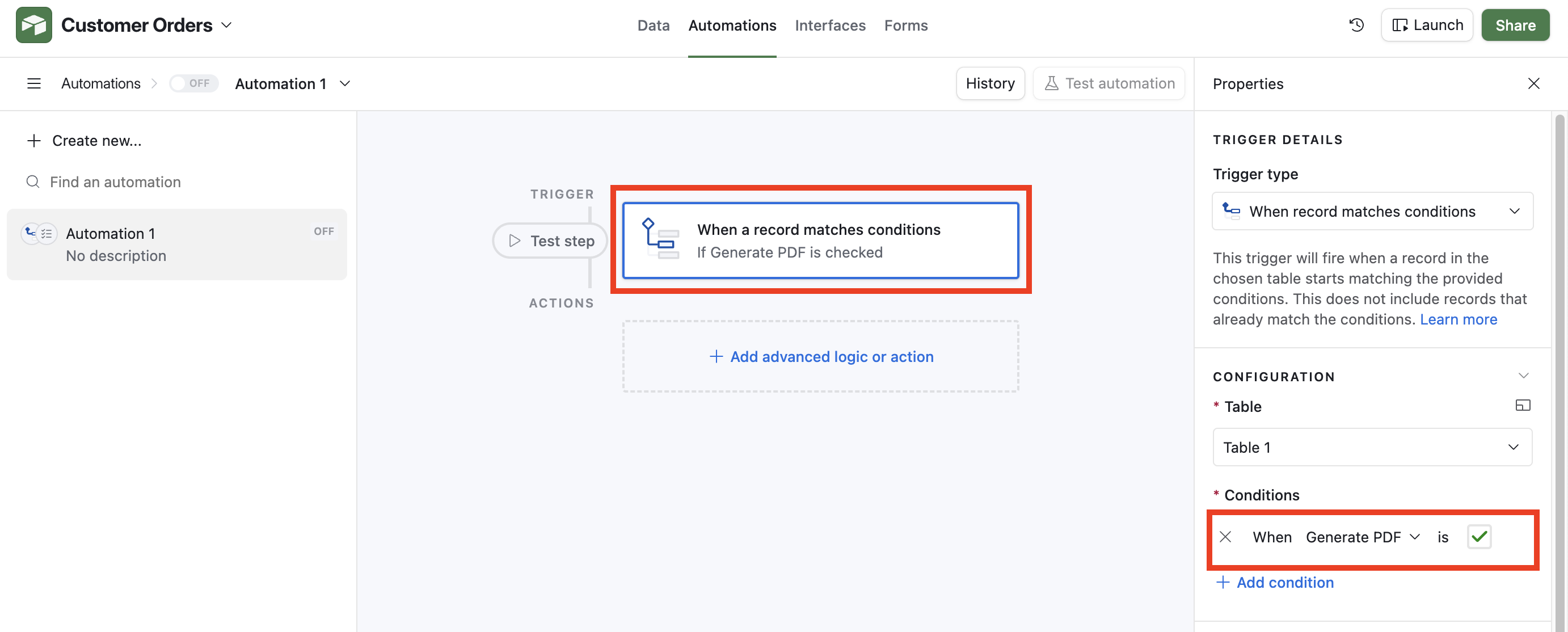
Navigate to the Automation tab in your Airtable dashboard and Add a Trigger. In the below example, we've added a Checkbox (called 'Generate PDF') to our Airtable table and are triggering the automation whenever a user checks the checkbox:
Next, add a 'Run a Script' action to the automation. You'll be brought to a editor. Paste in the Automation script your DocuPotion editor:
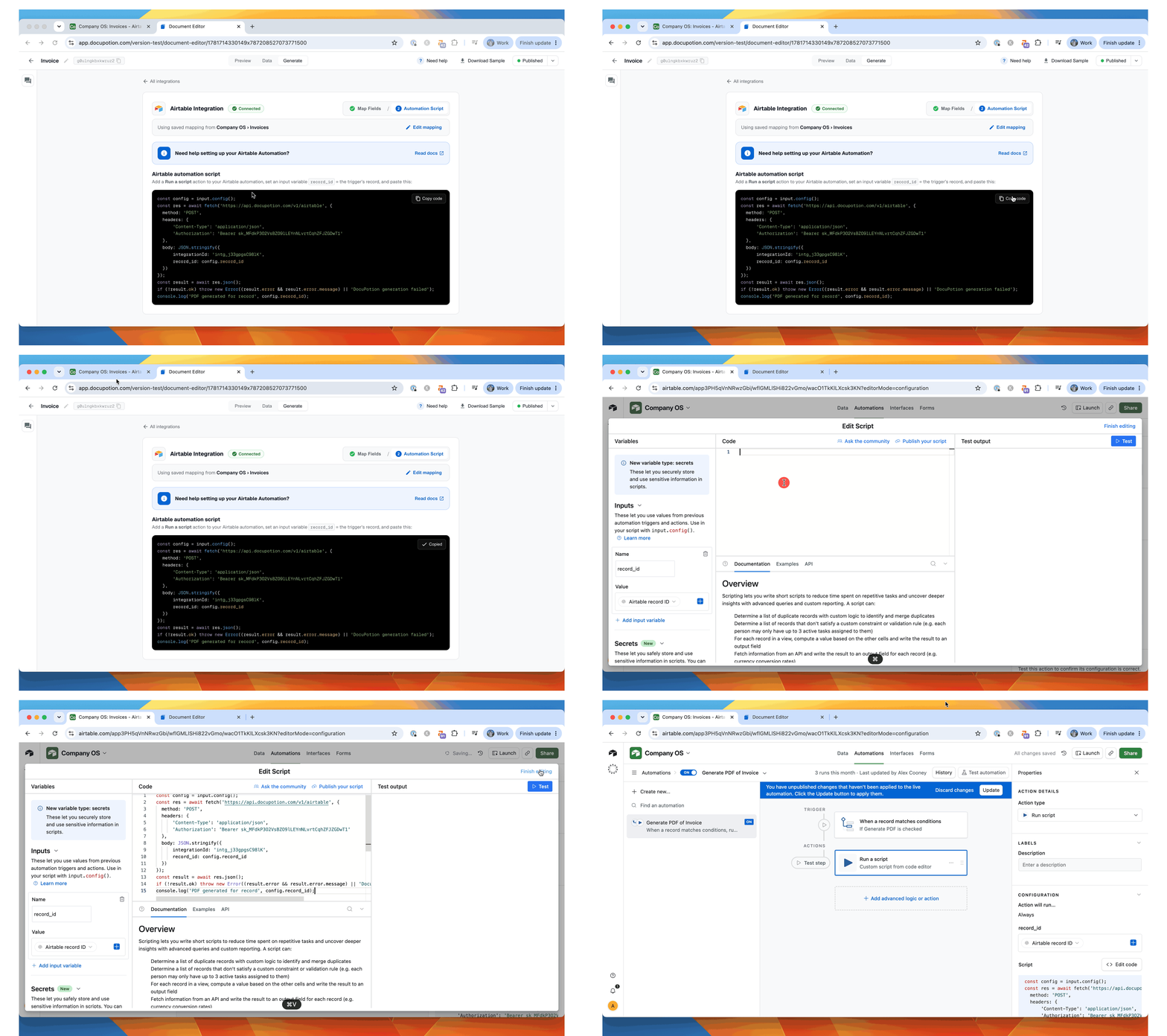
Add record_id as an input and use data from the Airtable record ID.
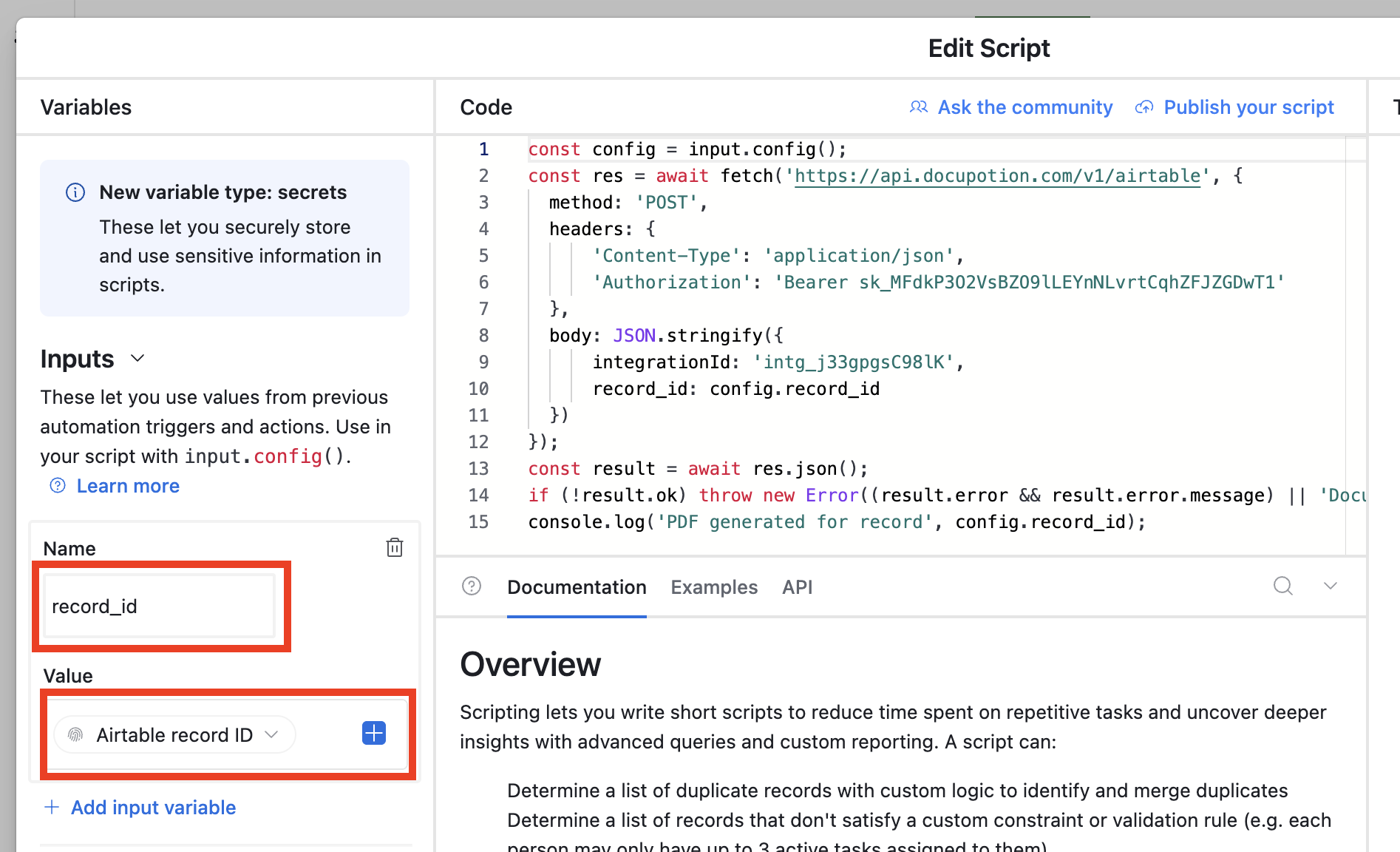
Please note that you must use the exact spelling record_id for the name of the Input.
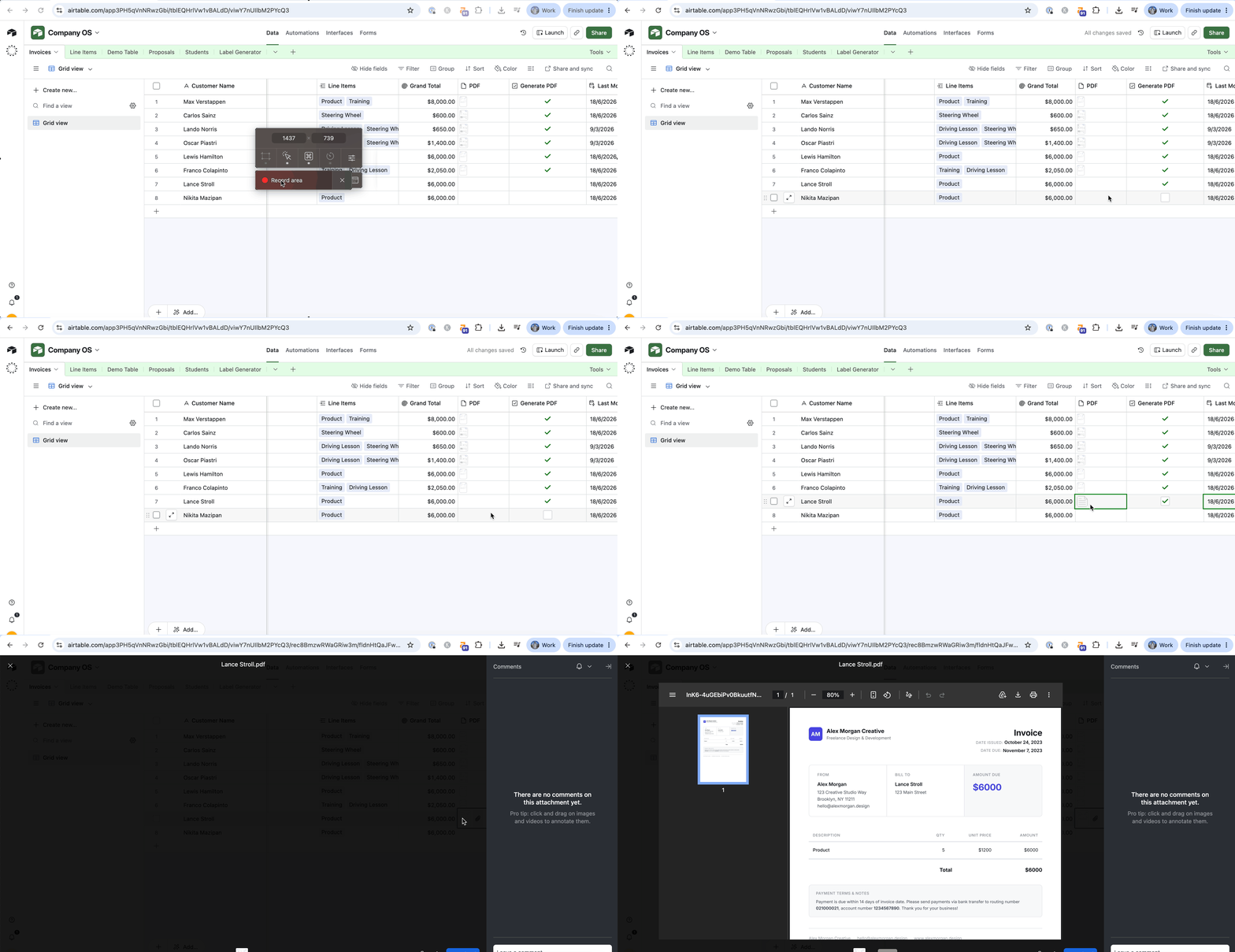
Save down your automation. Now whenever your automation is triggered, a PDF will be generated from your DocuPotion template with your Airtable data (it can take a few seconds for the PDF to generate). In the below example, we're running the automation whenever a user checks the Generate PDF checkbox.
Generation Link
Once you've mapped your data, you'll be presented with two choices for triggering your PDF generation:
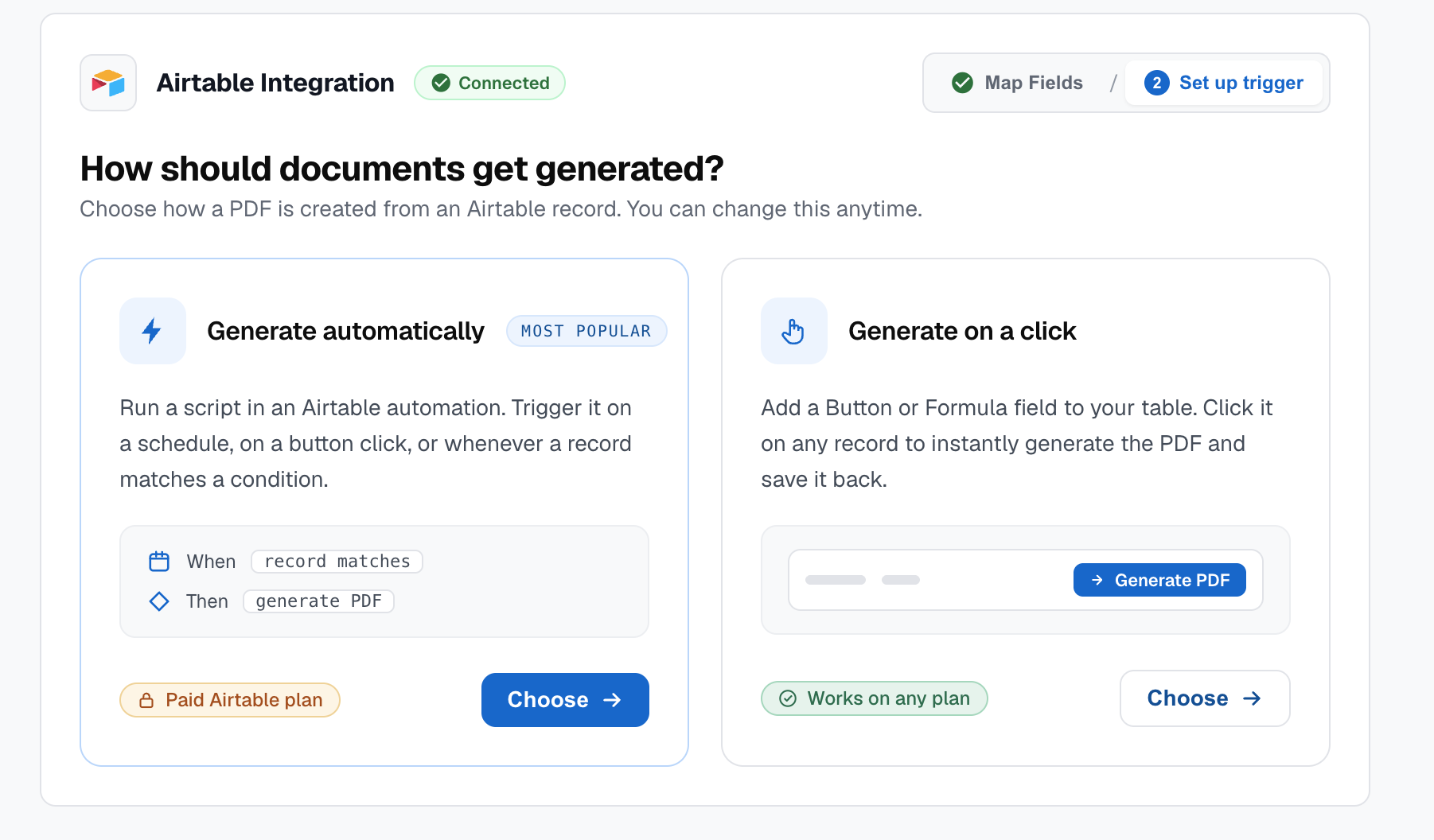
Choose the Generate on a click option. You'll see a code snippet that you can copy. This will be used in the next step.
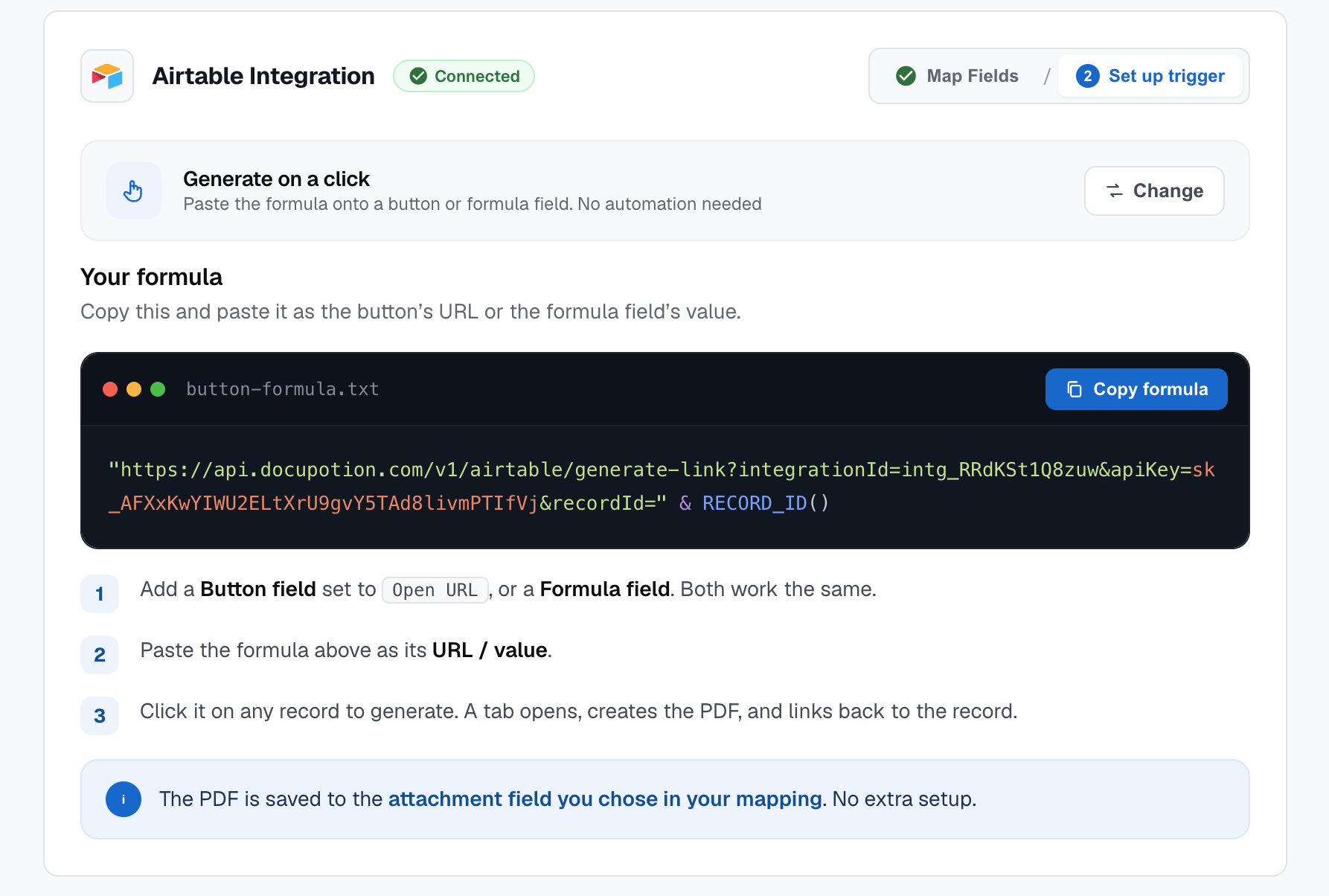
Trigger the generation from a button or formula click
To trigger the generation link, add either a button or formula field to your Airtable table. Select the Open URL action and paste in your generation link from the DocuPotion editor.
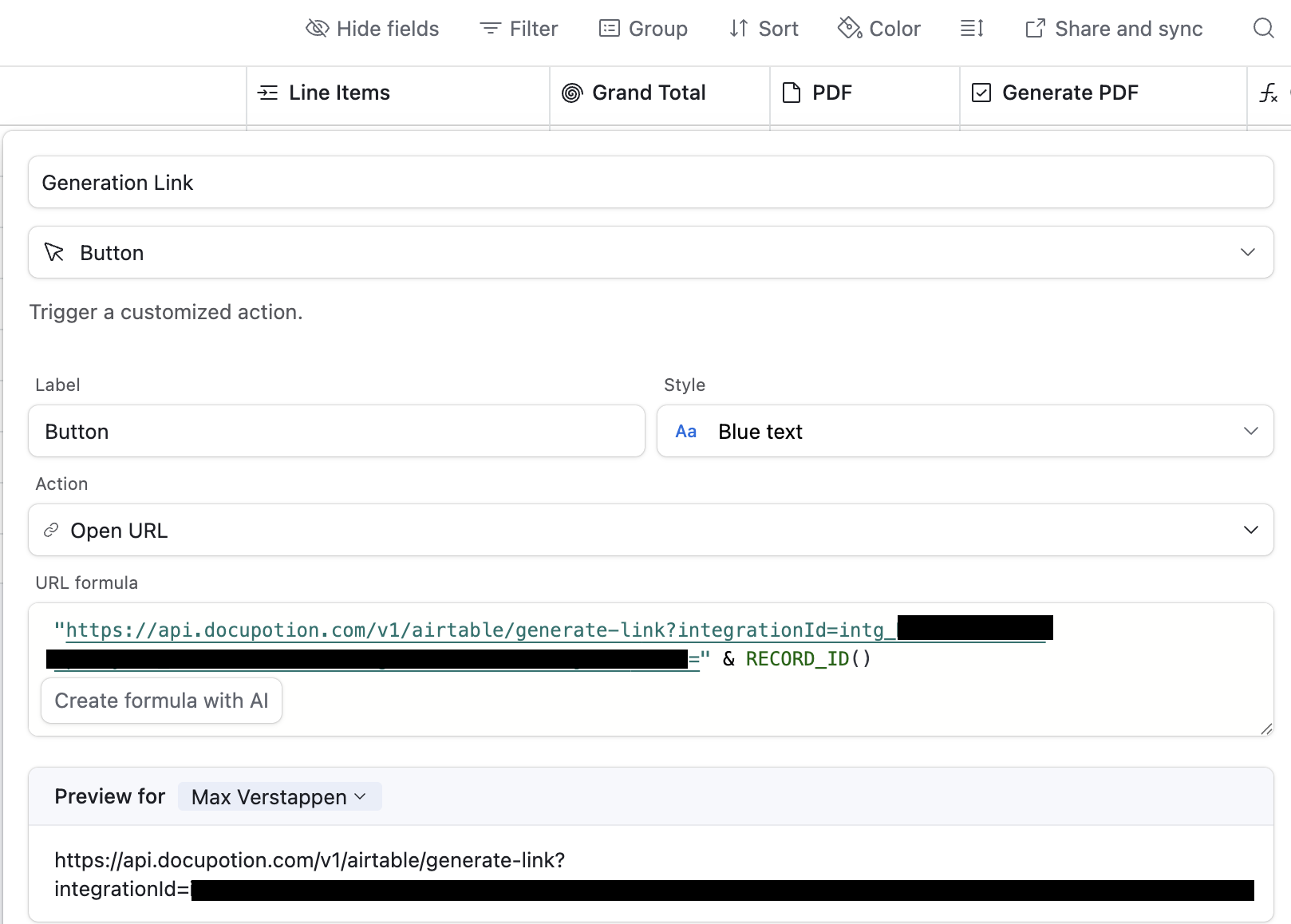
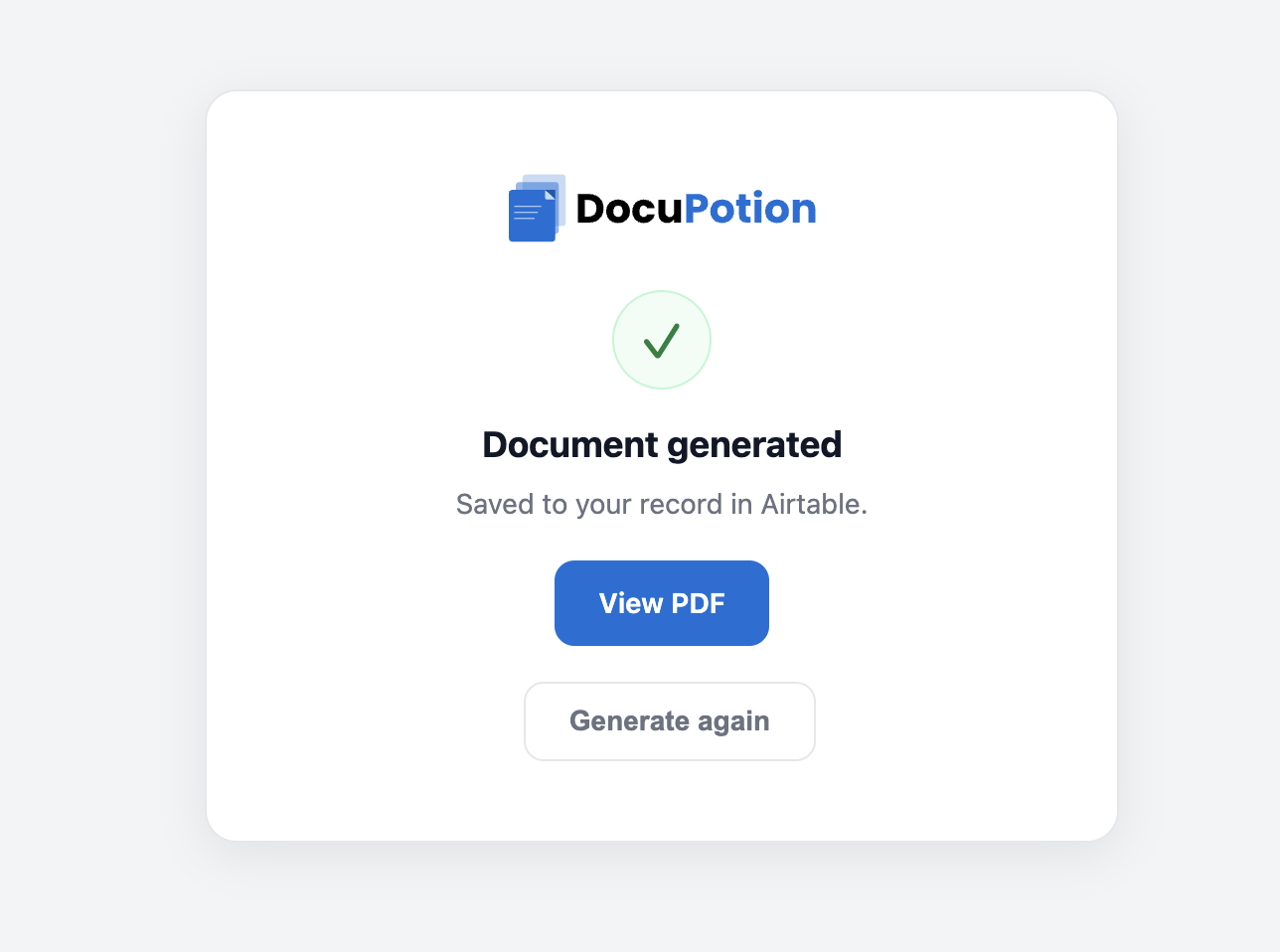
Whenever you click the button (or formula), a new window will be opened and your PDF generation will be triggered. Once it's complete, you'll be able to click on a link to view your PDF and it will be automatically uploaded to the attachment field you specified in the data mapping stage.
Bonus Tip: Debugging errors with the Automation
If you're running the Automation but not getting any PDF returned, you can follow these steps to figure out the issue:
Navigate to the Automations tab and open up the Automation you're using to generate the PDF:
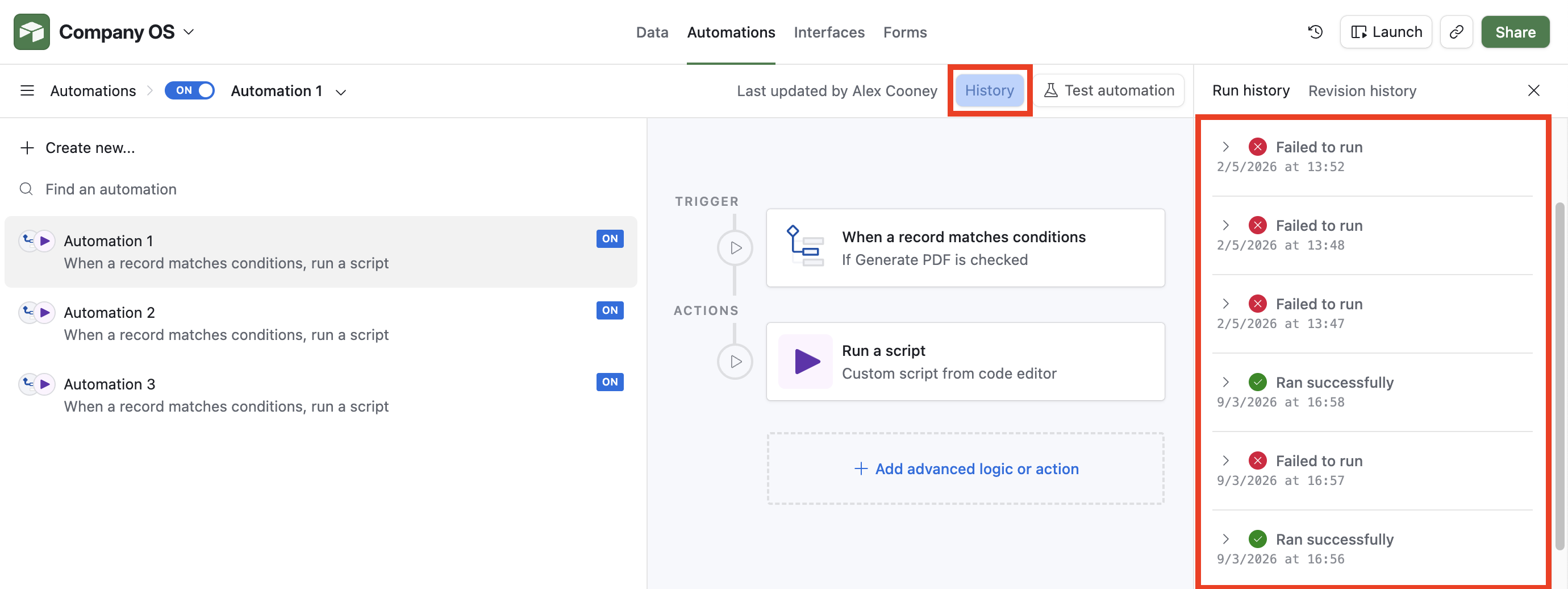
You'll likely see that you have an Automation that Failed to run. Click on one of the failed runs. It's usually the Run a Script section that causes the issue. Click into that and then on the Execution log -> View button:
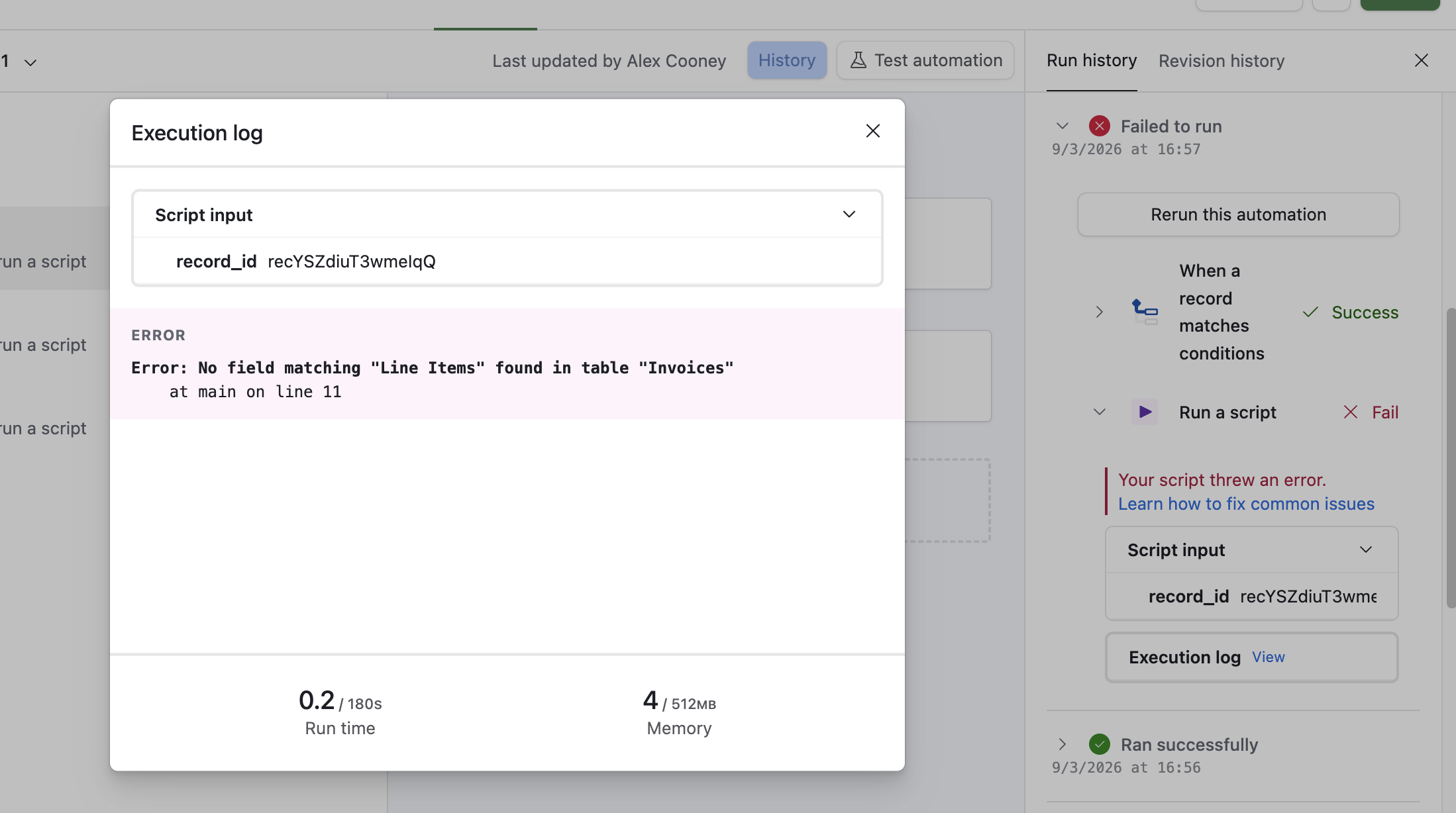
The error message should give you some indication of what went wrong. If the issue isn't obvious, please contact our support team for assistance.